
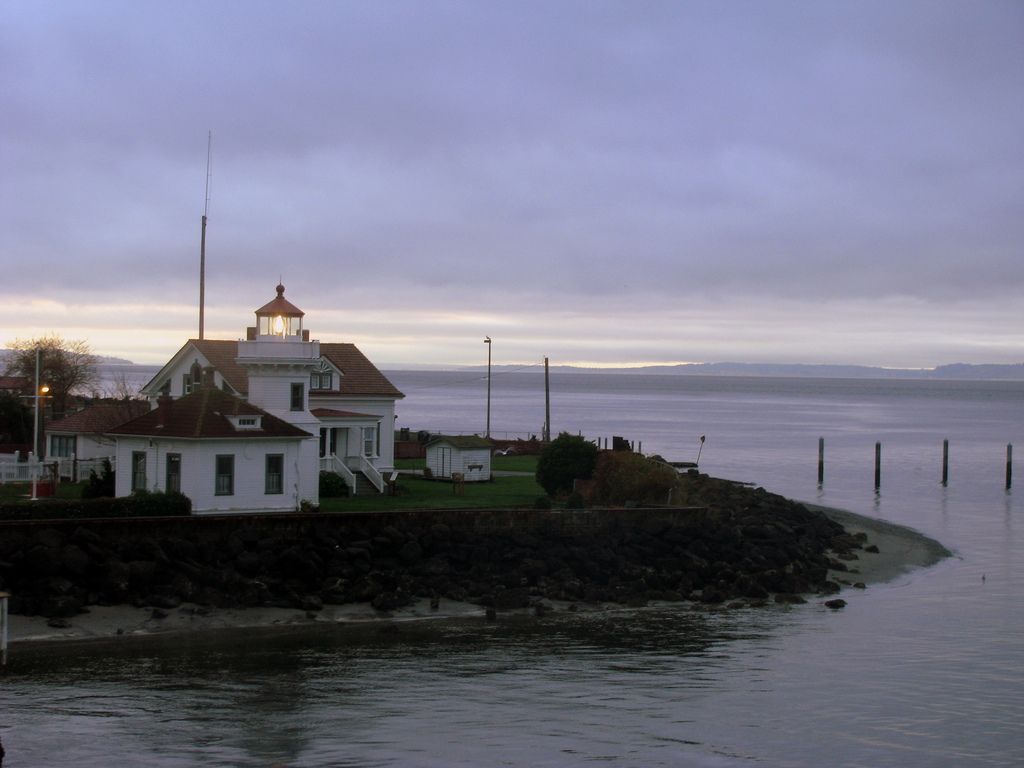
Japanese Gulch Conservation Area

Japanese Gulch Conservation Area is a 144-acre urban forest located in the northeast corner of Mukilteo, Washington, offering miles of multi-use trails for hiking, mountain biking, dog walking, and trail running. This emerald sanctuary sits between the Boeing plant to the south and the Mukilteo waterfront to the north, providing residents and visitors with accessible outdoor recreation in a richly biodiverse setting.
Trail System and Recreation
The conservation area features approximately four miles of looping trails that traverse both sides of a railroad gulch, connecting multiple access points including a dog park on 5th Street and a community garden at the intersection of 76th and 44th. The west side contains the Plateau Trail, a relatively flat winding path along the top of the ridge with natural obstacles like roots and logs, while the east side offers more challenging climbing trails with names like Boys to Men, the Vibe, and Fifedom. Trail enthusiasts can create simple loops along the ridge or weave up and down between the plateau and railroad tracks for more elevation gain, with the highest point reaching 363 feet and total elevation gain around 174 feet.
The trail network appeals to users of all skill levels, though several sections were specifically designed for mountain biking and feature technical elements including stunts, jumps, and steep grades. A gravel road runs along the railroad tracks at the bottom of the gulch, providing an alternative route that leads to the waterfront where visitors can enjoy sandy beaches along Possession Sound. On clear days, hikers can catch glimpses of Mount Baker from viewpoints along the trails.

Natural Features and Wildlife
Japanese Gulch supports a thriving ecosystem centered around a babbling creek that runs down the ravine between the railroad tracks and the ridge. The stream features small water cascades and is crossed by various footbridges at different points throughout the trail system. Stream restoration projects completed in the early 2010s removed four major barriers to salmon migration, resulting in the successful return of coho and chum salmon to spawn in the creek for multiple consecutive years.
Wildlife surveys conducted by Edmonds Community College students have documented diverse species using the conservation area, including black-tailed deer, Cooper's hawk, great blue herons, and numerous woodpecker species. The creek's health supports aquatic macroinvertebrates such as caddisflies, mayflies, stoneflies, scuds, aquatic worms, midges, and leeches, earning the stream a "fair" health rating. This ecological richness makes Japanese Gulch valuable habitat within an urban setting, providing wildlife corridors and spawning grounds despite its proximity to residential and industrial development.
Historical Significance
The area carries profound historical significance as the former site of a Japanese immigrant community that existed from 1903 to the early 1930s. Japanese men relocated to Mukilteo to work at the Crown Lumber Company (formerly Mukilteo Lumber Company), which actively recruited Japanese labor due to a shortage of qualified workers for the sawmill. Workers and their families lived in company-owned housing within the ravine, then known as "Jap Gulch," creating a separate community that at its peak represented nearly half of Mukilteo's total population.
Despite initial resistance and anti-Japanese sentiment from white residents in 1905, the community gradually found acceptance as the mill owners continued to employ Japanese workers as a cost-efficient solution to labor shortages. The Japanese residents established a unique balance between segregation, assimilation, and cultural preservation, maintaining their traditions while integrating into the broader Mukilteo community. Mukilteo became the first community in Snohomish County to welcome Japanese immigrants and include them in mainstream society.
The Crown Lumber Company's closure in 1930 during the Great Depression dissolved this tight-knit community as hundreds of residents lost their jobs and homes simultaneously. Families scattered across Washington state, returned to Japan, or moved elsewhere in search of stability, leaving the ravine to return to its natural state with few physical remnants of the settlement remaining. The subsequent forced incarceration of Japanese Americans under Executive Order 9066 in 1942 further disrupted the lives of former Japanese Gulch residents.
Recognition and Legacy
The social history of Japanese Gulch has made the area eligible for National Historic Landmark status under archaeological criteria, as suggested in the Asian American and Pacific Islander National Historic Landmark Theme Study. In May 2000, the City of Mukilteo dedicated a bronze origami crane sculpture by artist Daryl Smith in Centennial Park to commemorate the friendship between Japanese American children and their Mukilteo peers, fulfilling the dream of Mas Odoi, a descendant of the Japanese Gulch community.
Today, the conservation area serves dual purposes as both a recreational resource and a living memorial to the Japanese immigrant community that once called the gulch home. The preservation of this urban forest allows modern visitors to connect with nature while walking the same ravine that sheltered a significant chapter of Pacific Northwest immigration history.


