

Mukilteo Station: Rail & Transit Connectivity

Nestled between the scenic shores of Possession Sound and Mukilteo's historic Old Town, Mukilteo Station stands as a vital transportation link connecting the community to the greater Puget Sound region. As part of the Sounder commuter rail system, Mukilteo Station is more than just a stop—it’s a symbol of Mukilteo’s strategic position in the evolving landscape of regional mobility and growth.
In a city recognized for its quality of life, affluent neighborhoods, and stunning waterfront views, the presence of a reliable rail and transit hub enhances Mukilteo’s appeal to professionals, families, and local businesses alike. For homeowners, especially those served by companies like Shield Pro Roofing, the ability to commute easily while enjoying life in a quiet coastal town is a major selling point.
A Brief History of Rail in Mukilteo
Mukilteo’s connection to the rail lines began in the late 19th century with the construction of the Great Northern Railway, which tied the city to Seattle, Edmonds, and Everett. Initially built to serve the booming lumber and manufacturing industries, the rail lines later transitioned to serve passenger needs, especially as Mukilteo evolved from a mill town into a vibrant suburban community.
The modern Mukilteo Station, opened in 2008 by Sound Transit, brought renewed importance to the city’s rail infrastructure. Designed with commuter convenience in mind, the station includes ADA accessibility, shelters, and seamless access to ferries, buses, and walking paths.
Seamless Connections: Sounder Rail to Seattle and Beyond
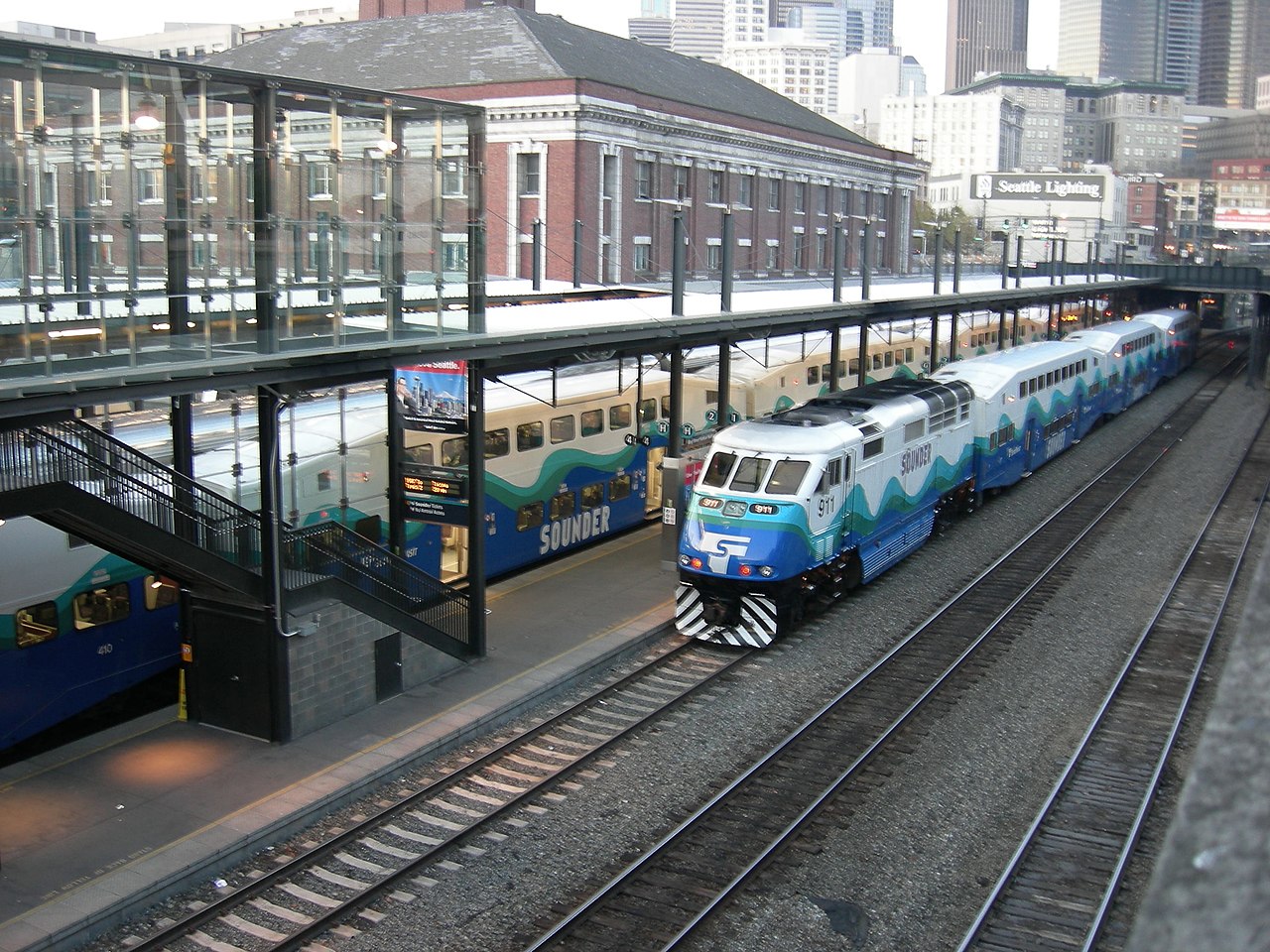
The Sounder North Line provides weekday commuter service between Everett and Seattle, with Mukilteo Station serving as a critical midpoint. Trains depart during peak morning and evening hours, offering stress-free alternatives to the increasingly congested I-5 corridor.
For residents who work in Seattle’s tech hubs or Everett’s aerospace industry, the train provides a predictable, scenic commute along the Puget Sound shoreline. It's a particularly attractive amenity for homebuyers seeking peace in Mukilteo while staying plugged into urban job markets.
Multimodal Integration: Ferry, Bus, and Pedestrian Access
Mukilteo Station isn’t just a rail stop—it’s the centerpiece of a multimodal transit district. Directly adjacent to the Clinton–Mukilteo Ferry Terminal, the station offers effortless transfers between Whidbey Island commuters and mainland transit options.
Community Transit and Everett Transit buses also converge at the station, creating an interconnected network that allows residents and visitors to reach workplaces, schools, and shopping centers without a car. For environmentally conscious homeowners and commuters, Mukilteo offers a rare blend of small-town charm and eco-friendly transportation access.
The 2020 completion of the new Mukilteo Ferry Terminal added modern design, sustainability features, and better pedestrian access—all reinforcing the city's commitment to being a forward-thinking coastal hub.
Supporting the Local Economy
The presence of a major transit station drives more than convenience—it also supports local businesses and real estate. The station area has spurred investment in waterfront redevelopment, including plans for mixed-use space, trails, and a revitalized retail corridor.
Contractors, home service providers, and real estate professionals increasingly look to Mukilteo Station’s transit proximity as a selling point. For companies like Shield Pro Roofing, being located near accessible transit hubs can build trust with homeowners who prioritize reliability and responsiveness—core values in both transit and home services.
A Catalyst for Sustainable Growth
Mukilteo’s location within the Puget Sound Convergence Zone means it experiences significant seasonal rainfall. Having a reliable transit system reduces car traffic and emissions, contributing to the city’s long-term environmental sustainability goals.
As regional leaders aim to increase density near transit-rich areas, Mukilteo Station is poised to play a larger role in shaping housing, zoning, and infrastructure decisions. Smart development around the station could bring more walkable neighborhoods and green construction practices to the forefront.
Community-Oriented Design
Mukilteo Station was built with more than commuters in mind. Its proximity to Mukilteo Lighthouse Park, the waterfront promenade, and the Rosehill Community Center makes it an extension of the city’s shared civic space.
On weekends, the station becomes a gateway for recreational visitors, including tourists coming to enjoy whale-watching tours, local seafood, or beach walks. It ties Mukilteo into the broader fabric of Puget Sound coastal tourism.
Looking Ahead
While Sound Transit currently runs limited service on the North Line, expansion discussions continue—particularly in light of rising population and traffic demands. With regional support and local advocacy, Mukilteo Station could one day see expanded frequency, weekend service, or even greater integration with light rail systems across Snohomish County.
In a time when many communities are redefining how people live and work, Mukilteo’s investment in transit connectivity shows foresight and a deep understanding of what makes suburban living not just viable, but desirable.
Mukilteo Station represents more than a point on a map—it’s a promise. A promise of access, opportunity, and sustainable living. For residents, businesses, and service providers alike, its presence underscores Mukilteo’s role as a connected, forward-looking community.
Whether you're catching the morning train, arriving from Whidbey Island, or planning your next home project with a trusted local roofer, Mukilteo Station is a powerful symbol of local accessibility meeting global potential.


